
Assessment of mobility, infrastructure, charging requirements, and ecosystem readiness to support the transition toward cleaner transportation on the island.
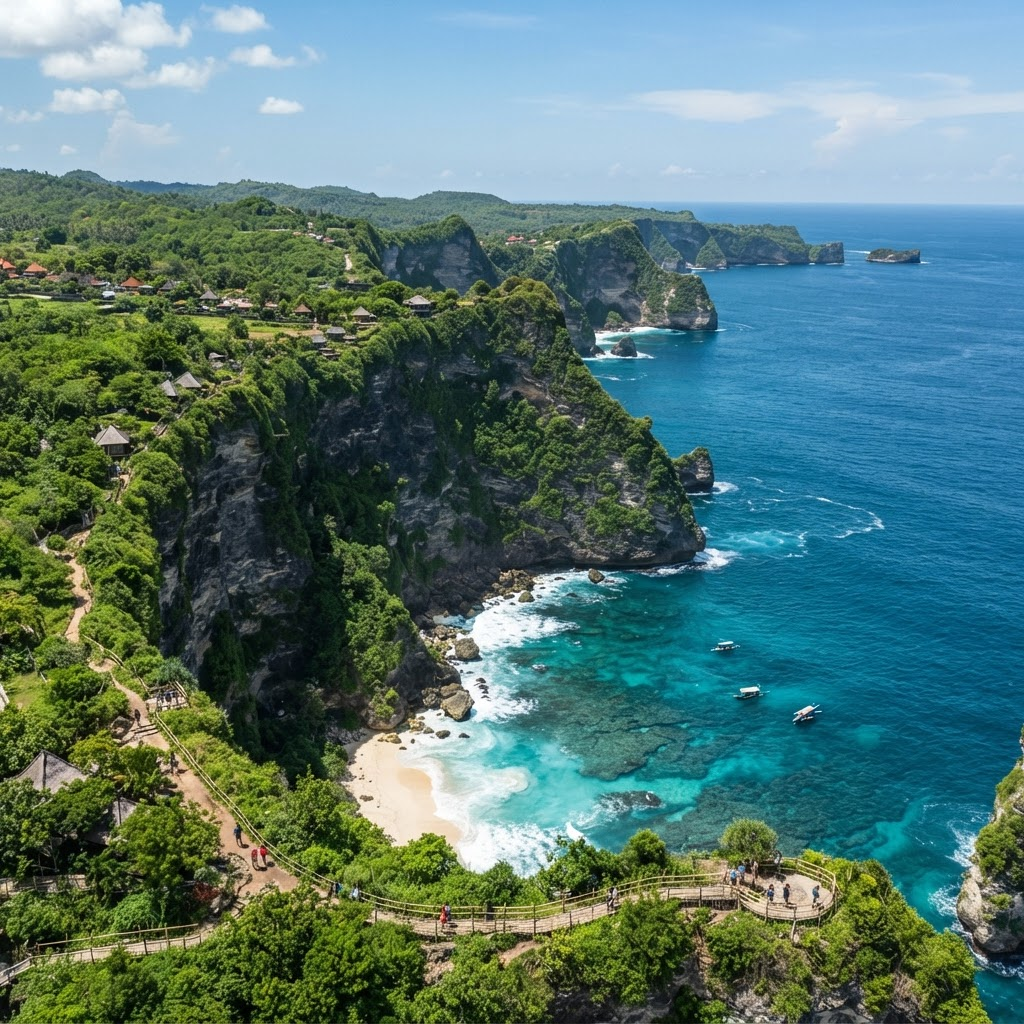
Nusa Penida is one of Bali's most visited destinations, yet its mobility infrastructure relies entirely on diesel-powered vehicles. The island faces mounting challenges: air pollution from two-stroke engines, rising fuel costs, noise disturbance, and environmental degradation threatening coral reefs and marine ecosystems.
This feasibility study evaluates the viability of a comprehensive green mobility transition — from electric vehicle deployment and renewable energy integration to battery swap infrastructure and community adoption strategies. The findings inform our Phase 2 pilot project and serve as a blueprint for island-scale decarbonization across the Indonesian archipelago.
Our feasibility study assessed four critical dimensions of the green mobility transition.
Nusa Penida currently relies on diesel generators for its electricity supply. Solar irradiance is favorable for solar PV installation, and hybrid solar-diesel systems with battery storage can provide reliable power for EV charging infrastructure.
The island's road network is primarily used by motorcycles and pickup trucks. Electric motorcycle and small shuttle deployment is technically feasible for a significant portion of current routes, making EV adoption viable for local transport needs.
Current diesel-dependent mobility generates air pollutants that affect both air quality and coral reef ecosystems. A full EV transition would significantly reduce emissions while also eliminating local pollutants threatening the island's marine environment.
Local residents and tourism operators have expressed interest in EV adoption when costs are comparable to diesel. Driver retraining programs and co-investment in charging infrastructure near key attractions are seen as viable pathways.
Solar microgrid installation, first charging station, and battery swap point at Toyapakeh harbor.
Electric motorcycles and shuttles for tourist route operations. Driver training program launch.
Expand fleet and charging infrastructure. Launch community EV sharing program.
Document lessons learned, prepare model for replication to Lombok and other Indonesian islands.
Whether you're a government agency, tourism operator, or impact investor — we welcome collaboration to make Nusa Penida Indonesia's first green island.
Partner With Us
Join us in shaping Indonesia's sustainable transportation future — from pilot to nationwide scale.